
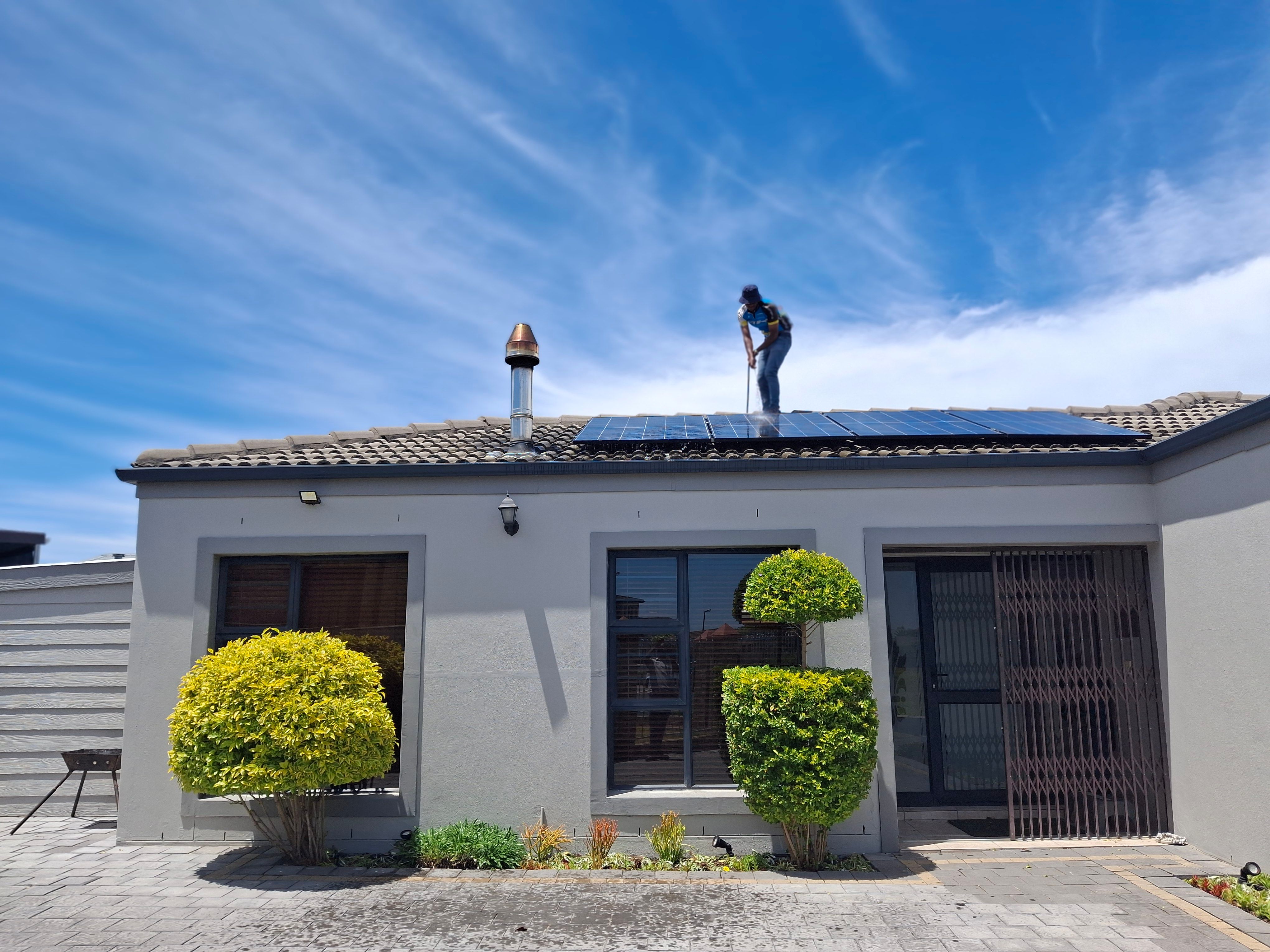
Under California's Net Billing Tariff (commonly known as NEM 3.0), the economics of solar power have changed significantly. Since April 2023, the value of exporting excess daytime solar electricity to the utility grid (PG&E, SCE, or SDG&E) has been reduced by approximately 75%. To achieve a viable return on investment, new solar installations must store their power in localized Battery Energy Storage Systems (BESS) for self-consumption during peak evening hours.
In this guide, we dive deep into the engineering calculations, equipment selection, and safety code compliance required to design high-performance solar + storage permit plan sets under NEM 3.0.
1. Understanding California's Net Billing Tariff (NEM 3.0)
NEM 3.0 replaces traditional 1:1 net metering credits with variable "Avoided Cost Calculator" (ACC) export rates. During mid-day hours when the grid is flooded with solar energy, utility export credits drop as low as $0.02 - $0.05 per kWh. However, during evening peak hours (typically 4:00 PM to 9:00 PM), export rates skyrocket.
To capture this value, systems must be programmed to run on "Self-Consumption Mode" or "Peak Shaving/Load Shifting Mode". By discharging battery power to run the home during peak hours and storing solar generation during the day, clients avoid high utility rates and maximize their ROI.
2. Battery Sizing: Tesla Powerwall 3 vs. Enphase 5P
Selecting the right battery technology dictates how plan sets are wired and engineered. Let's compare two industry leaders:
| Feature | Tesla Powerwall 3 | Enphase IQ Battery 5P |
|---|---|---|
| Chemistry | Lithium Iron Phosphate (LFP) | Lithium Iron Phosphate (LFP) |
| Usable Capacity | 13.5 kWh | 5.0 kWh |
| Inverter Architecture | Hybrid Inverter (integrated solar & battery connections). | AC-Coupled (pairs with microinverters via AC combiners). |
| Continuous Power Output | Up to 11.5 kW (ideal for whole-home backup). | 3.84 kW (modular, ideal for partial-home backups). |
Design Tip: For large residential projects with heavy electrical loads (AC units, pool pumps), the Tesla Powerwall 3 simplifies design by combining solar and battery inputs into a single chassis. For multi-inverter microinverter setups, the Enphase IQ Battery 5P provides excellent AC-coupled modular flexibility.
3. Sizing Backup Loads & NEC Code Clearance Rules
When engineering backup energy systems, we must run continuous load calculations under NEC Article 220 and observe clear spacing rules under NFPA 855:
- NFPA 855 Clearance: Batteries must maintain at least 3 feet of horizontal spacing from windows, doors, and escape pathways, and at least 3 feet from other battery enclosures (unless certified for closer spacing).
- Thermal Barrier: When installed on walls, batteries require a 5/8-inch Type X gypsum board backing to prevent fire spread to wooden frames.
- Physical Protection: Installations in garages or driveways where vehicles travel require steel bollards (Schedule 40 pipe) to protect against bumper impacts.
4. NEM 3.0 Interconnection Diagram Checklist
To pass utility review for NEM 3.0 interconnection, your single-line diagram (SLD) must document:
- The exact point of interconnection: Sub-panel load breaker, supply-side tap, or backup gateway connection.
- Automatic Transfer Switch (ATS) or System Controller location to show how the system disconnects from the grid during utility outages (island mode).
- Proper placement and labeling of the utility AC disconnect switch (when required by the utility).
5. Engineering Compliant Plan Sets
At Daniel Solar Engineering and Design, we prepare complete CAD drawings and run technical battery calculation sheets to satisfy both local building departments and major utilities. We deliver permit-ready plan sets in 24 to 48 hours with complete code compliance guaranteed.
NEED AN ENGINEERED SOLAR & BATTERY PLAN SET?
Contact Daniel Solar Engineering and Design. Our team handles complete NEM 3.0 electrical sizing, main panel backfed load calculations, and structural layouts stamped by registered P.E.s.